
What is brain stacking? An expert’s take on the latest ‘brain rot’ cure
Deagreez/Getty Images Listen to this article Learn more about audio Between managing social media in her day job and creating content in her spare time, Toronto influencer Ara Galang was someone who spent a lot of time on her phone. Perpetually online, she now describes feeling “muddy in the head,” and the endless “AI slop” left a sour taste. She was left questioning what she was doing with her life and why it felt so difficult to just put her phone down. Cut to May 2025 when, on her social media channels, she launched her “Anti-Rot Agenda,” a practice and, now, title of her upcoming book, encouraging the chronically online to swap endless scrolling for creative hobbies and offline adventures. Today, she regularly makes time for journaling, colouring books and even polymer clay crafts, activities she loved as a child. She’s noticed a difference, too. “I feel a lot lighter mentally now that I’m not spending as much time on my phone,” Galang says. Influencer Ara Galang's book, The Anti-Rot Agenda, comes out next year. Ara Galang/Supplied She’s hardly alone in wanting to disconnect. According to a January 2026 survey by Narrative Research, 37 per cent of Canadian adults are actively trying to reduce their screen time, including 54 per cent of Millennials and 47 per cent of Gen Z respondents. Enter brain stacking, the latest cutely named wellness trend sweeping social media, which promises to combat so-called “brain rot” with good old-fashioned hobbies. Originally popularized by TikTok creator Mandy Rulez , the trend involves rotating through a “stack” of activities such as reading, knitting, journaling or solving crossword puzzles, often for five to 10 minutes at a time. Some devotees spend an hour working through their stacks of books, puzzles and notebooks, hoping to reclaim their attention spans. But can a few minutes of Sudoku really undo hours of doomscrolling? According to neuroscientists, the answer is, unsurprisingly, complicated. What does brain stacking actually do to your brain? Different activities engage different parts of the brain, explains Dr. Etienne de Villers-Sidani, a neurologist and associate professor at McGill University. Reading activates language and memory networks, knitting involves hand-eye co-ordination, while puzzles engage working memory and reasoning skills. What they share is a demand for sustained, self-directed attention, unlike scrolling through a social media feed, which constantly competes for our focus. But engaging your brain doesn’t necessarily mean improving it. “Brain circuits change durably only when a task is attended to, matters to the person, is difficult enough to produce errors and gets harder as you get better at it,” de Villers-Sidani explains. In other words, breezing through your thousandth crossword isn’t quite the same as mastering an unfamiliar skill like, say, mastering a beef Wellington or learning Japanese. But don’t be discouraged. Newer research supports the value of creative pursuits. A 2025 study published in Nature Communications examining brain activity among people involved in dance, music, visual arts and video games found associations between creative experience and markers of slower brain aging. Greater expertise was linked to stronger effects. Similarly, a 2026 study published in the American Journal of Preventive Medicine followed more than 20,000 Swedish adults and found that mentally passive sedentary behaviours, such as watching television, were associated with a higher risk of dementia, while mentally engaging activities were associated with lower risk. So, okay, maybe adding yet another reality TV show to your weekly queue isn’t quite the mental workout you might have hoped for. But if you knit a scarf while you watch? That’s a start. Is switching between activities actually helpful? Here’s where brain stacking gets tricky. While switching hobbies every few minutes might keep you from banging your head against the wall in boredom, it also comes at a cognitive cost. Because each time we change tasks, our attention networks have to adjust to new rules and goals. De Villers-Sidani says those suggested five-minute rotations could actually prevent us from reaching the sustained concentration necessary for deeper learning. Ironically, constantly hopping between activities might replicate the fragmented attention encouraged by social media. Still, he sees value in the trend as a way to break unhealthy habits. “I think it is a habit-substitution technique,” he says. Replacing the urge to reach for our phones with an accessible offline activity can help interrupt our scrolling reflex. Galang agrees, although she recognizes the irony of using Instagram and TikTok to persuade people to spend less time on . . . Instagram and TikTok. Her solution is to establish boundaries, including app time limits; keep her phone out of reach (she also suggests “ bricking it ,” another recent social-media trend); and reserve her iPad for reading and creative pursuits rather than mindless consumption. So, what’s the best way to brain stack? If your goal is just to relax or reduce screen time, familiar hobbies can be worthwhile, even if they aren’t transforming your brain. But if you’re hoping to improve cognitive performance, de Villers-Sidani recommends activities that challenge you and become progressively harder, such as learning a second language, practising new dance routines or tackling demanding cognitive exercises. And there’s no need to cram everything into a single hour. For Galang, the trick is to make offline activities as accessible as her phone. She leaves her journals and logic puzzles on her coffee table, ready to pick up over breakfast before starting work. Ultimately, brain stacking may be most useful not as a miracle cure for brain rot, but as permission to spend less time staring at a screen. As de Villers-Sidani puts it, “The short format breaks the phone reflex; the longer one is what changes the brain.”
(责任编辑:出行安全)
 What is ‘texture-maxxing’? The food trend putting crunch on the menu
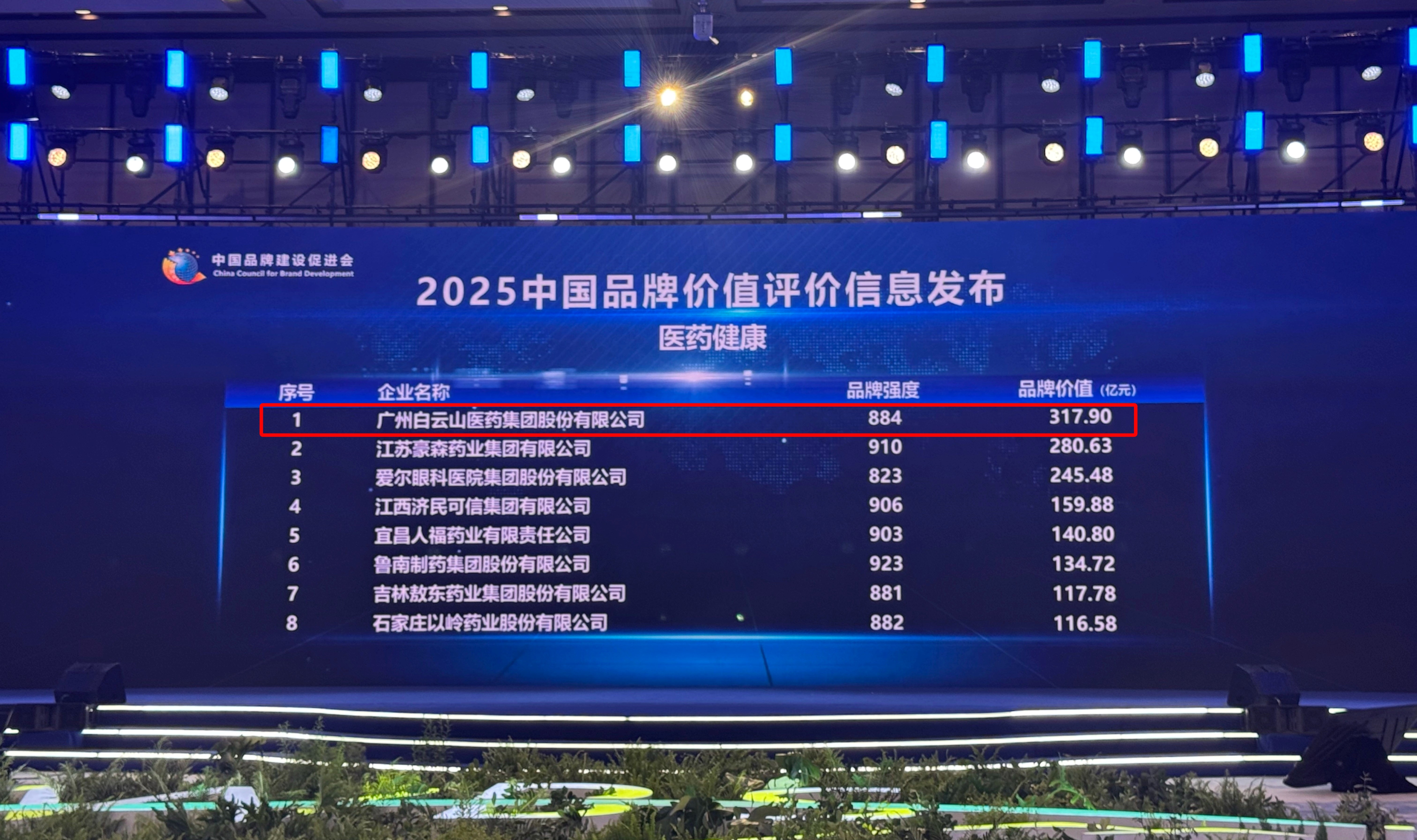
 广药集团董事长李楚源辞职 11年执掌引发争议
 庆安大米:从“一粒米”到“知名品牌”的飞跃之路
 Best Keychron Black Friday Deals I’ve Found on Our Favorite Keyboards (2026)
推荐文章
-
The 18 Best Black Friday TV Deals (2026): Up to 60% Off
 You should never buy a TV at full price. This is a hill I will die on, and I am proven right every y...[详细]
-
 今年的广州国际车展上,新能源车作为主要亮点,吸引了众多品牌的参与,向消费者展示了外观科技感十足且个性化的新车型。保时捷作为一家专注于运动性能的奢华品牌,正迅速推进电动化转型,尽管在此次展会上仅推出了保
...[详细]
-
广汽埃安携手小马智行 2025年推出千台Robotaxi计划
 在2023年12月11日,广汽埃安与小马智行在广汽集团的番禺总部举行了Robotaxi战略合作签约仪式。此次协议的达成,标志着双方将进一步携手,致力于打造具备商业运营潜力的Robotaxi量产车型,推
...[详细]
-
 2025世界品牌莫干山大会于5月9日至11日在浙江省湖州市德清县隆重举行,这一盛会被业内誉为“品牌达沃斯”。此次大会由新华社品牌工作办公室与中国国家品牌网等单位共同主办,因其在我国品牌建设领域的重要影
...[详细]
-
Best JBL Black Friday Deals (2026): Save on JBL Flip 7 and More
 There is an absolute deluge of Black Friday deals happening this weekend. After scouring some stando...[详细]
-
 广西融安脆蜜金桔被誉为金桔界的“爱马仕”,其独特的品质使其从桂北山区的地方特产迅速打入高端市场。以接近每斤100元人民币的价格,融安金桔不仅打破了人们对广西水果“10元3斤”的传统印象,更因其独特的口
...[详细]
-
广东品牌全球竞争力实验室揭牌 12家“国货之光”品牌签约入选
 为提升广东品牌的全球竞争力,促进新型生产力的高质量发展,2024年5月10日至11日,广东举办了中国品牌日活动——首届品牌强国创新论坛,活动在广东广播电视台南星演播厅及广东品牌培育创新基地举行,包含开
...[详细]
-
 比亚迪投资20亿元人民币在广西南宁市启动了一个智能新能源汽车综合测试场项目,标志着该项目的正式开工。该测试场将建成一个国际领先的整车综合试验基地,旨在为汽车的研发、测试、法规验证等提供一流的服务。项目
...[详细]
-
AI is tackling one of healthcare’s least glamorous problems: The staff rota
Working in emergency medicine, Dr. Anas Nader became very familiar with the "game of Tetris" that is...[详细]
-
 习近平强调自主核心技术:推动民族汽车品牌迈向新高度 近日,在吉林省进行考察期间,习近平总书记发表了重要讲话,指出当前国际汽车制造业竞争激烈,信息化和智能化已成为行业发展的主旋律。面对复杂多变的国际环
...[详细]
热点阅读
随机内容

